
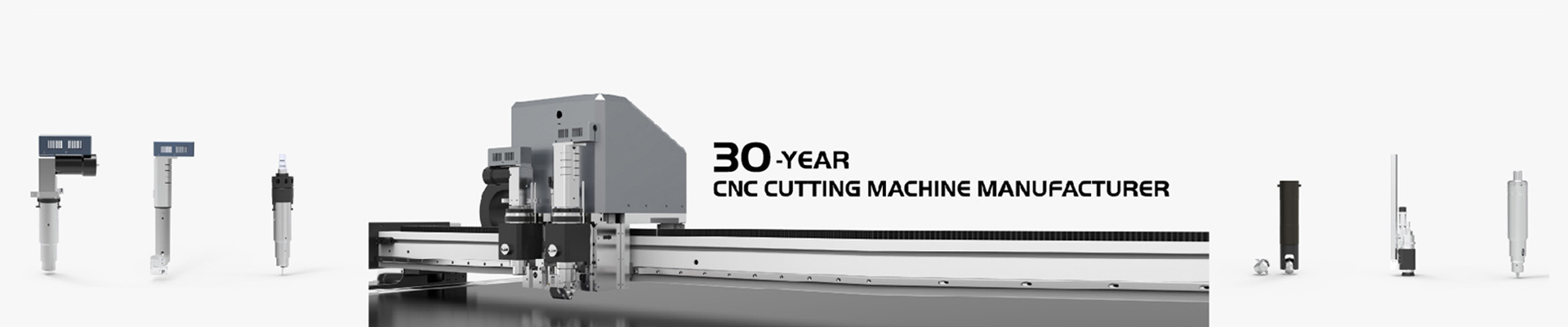
The global garment manufacturing industry is undergoing a structural transformation driven by automation, digitalization, and artificial intelligence. Traditional production systems that rely heavily on manual labor are no longer able to meet the demands of modern supply chains, where speed, precision, and cost efficiency are the most critical factors for competitiveness.In this context, the introduction of the Al-powered CNC fabric cutting machine represents one of the most significant technological advancements in textile and apparel production. This system integrates AI-driven nesting algorithms, CNC precision control, and AR-assisted visualization technology to fundamentally redefine how garments are designed, prepared, and manufactured.
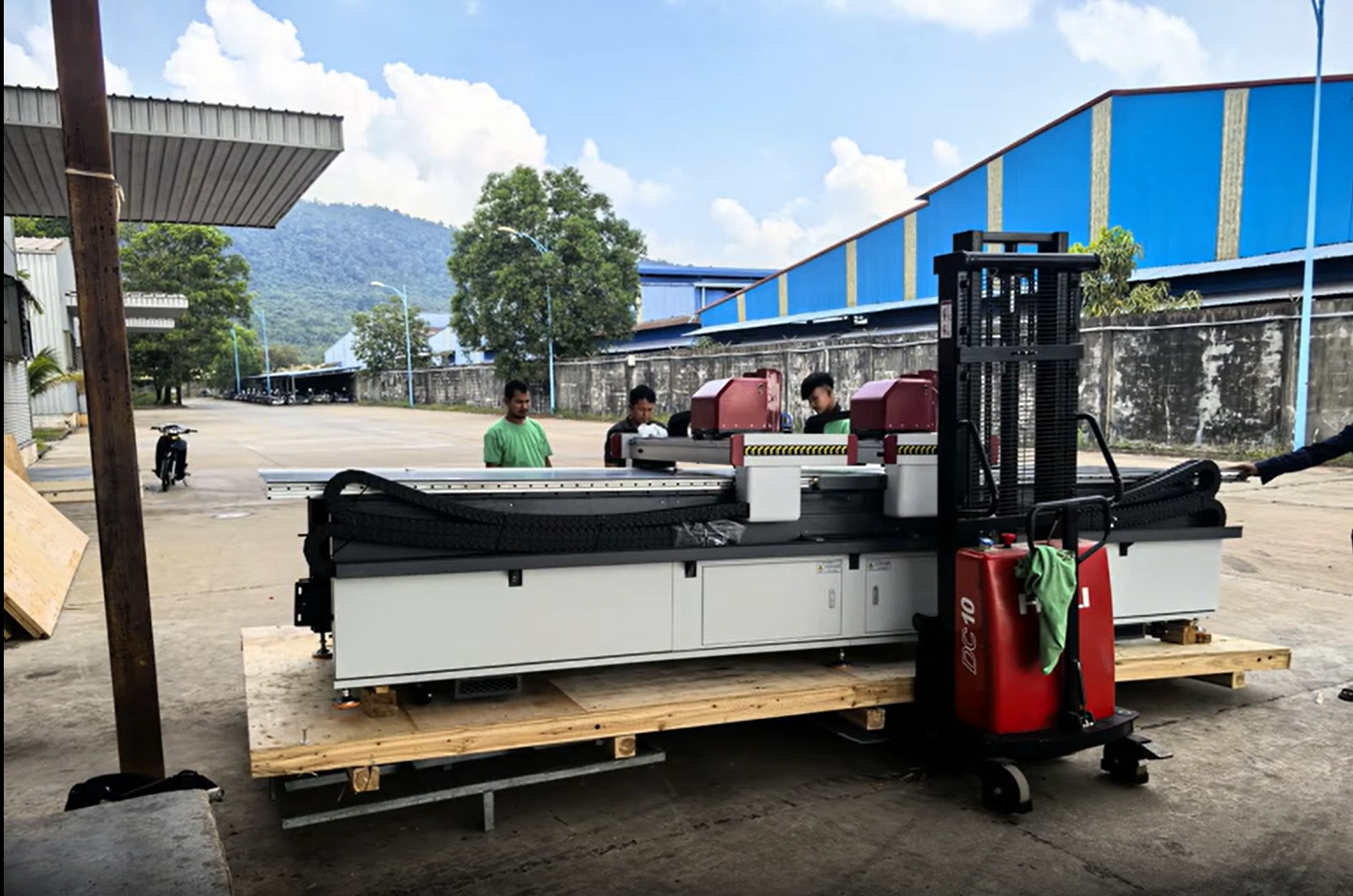
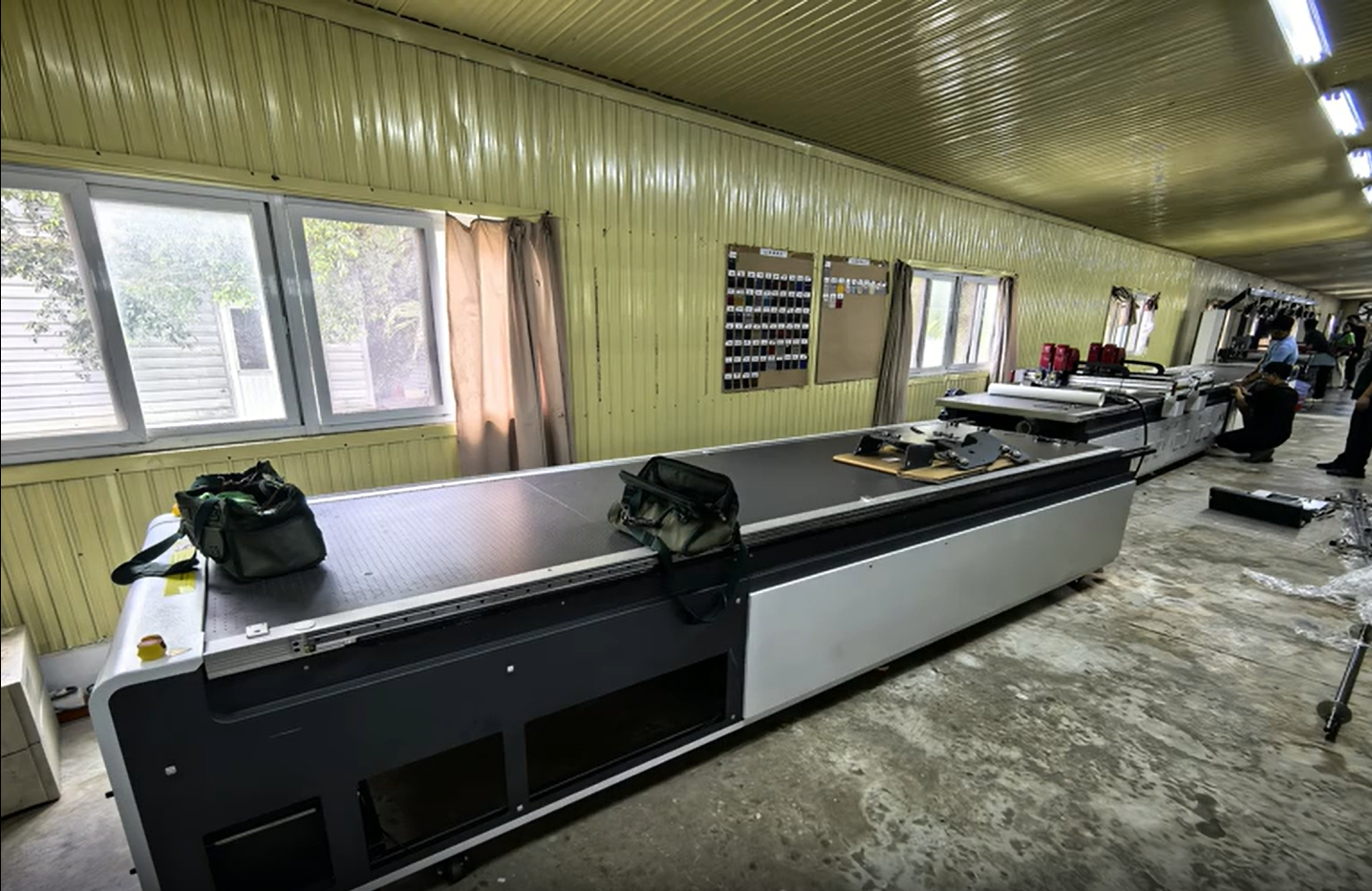
In Cambodia, a newly installed 12-meter ultra-wide intelligent cutting system is already demonstrating how automation can transform suit manufacturing factories. This is not just an equipment upgrade but a complete shift from manual production to intelligent manufacturing. The traditional workflow, which depends on skilled workers for fabric marking, layout planning, and manual cutting, is being replaced by fully digital and automated systems that significantly improve efficiency and reduce operational costs.As global competition intensifies, manufacturers are increasingly adopting advanced systems such as the automatic fabric cutting machine to remain competitive in both cost and production efficiency. The demand for faster delivery, higher consistency, and lower production cost has accelerated the shift toward intelligent manufacturing solutions across Southeast Asia, including Cambodia, Vietnam, and Bangladesh.
AI, Automation, and CNC Intelligence in Modern Fabric Cutting Systems
At the core of modern garment automation lies artificial intelligence. The integration of AI into textile production allows factories to optimize every stage of fabric utilization and cutting operations. The Al-powered CNC fabric cutting machine uses intelligent algorithms to analyze fabric width, pattern shapes, production quantity, and material constraints in real time. Based on this data, the system automatically generates optimized nesting layouts that maximize material usage while minimizing waste.
In traditional garment manufacturing environments, fabric waste is one of the most significant hidden costs. Manual nesting processes are often inefficient and inconsistent, resulting in material waste ranging from 8% to 15%. However, AI-driven optimization significantly reduces this waste by ensuring that every piece of fabric is used with maximum efficiency. This capability is especially valuable in suit manufacturing, where fabric cost represents a large portion of total production expenses.
Another major advantage of AI integration is production speed. Traditional layout planning processes can take hours or even days depending on order complexity, while AI systems complete optimization within minutes. This acceleration significantly improves production efficiency and allows factories to respond quickly to urgent orders, seasonal demand fluctuations, and customized production requirements.
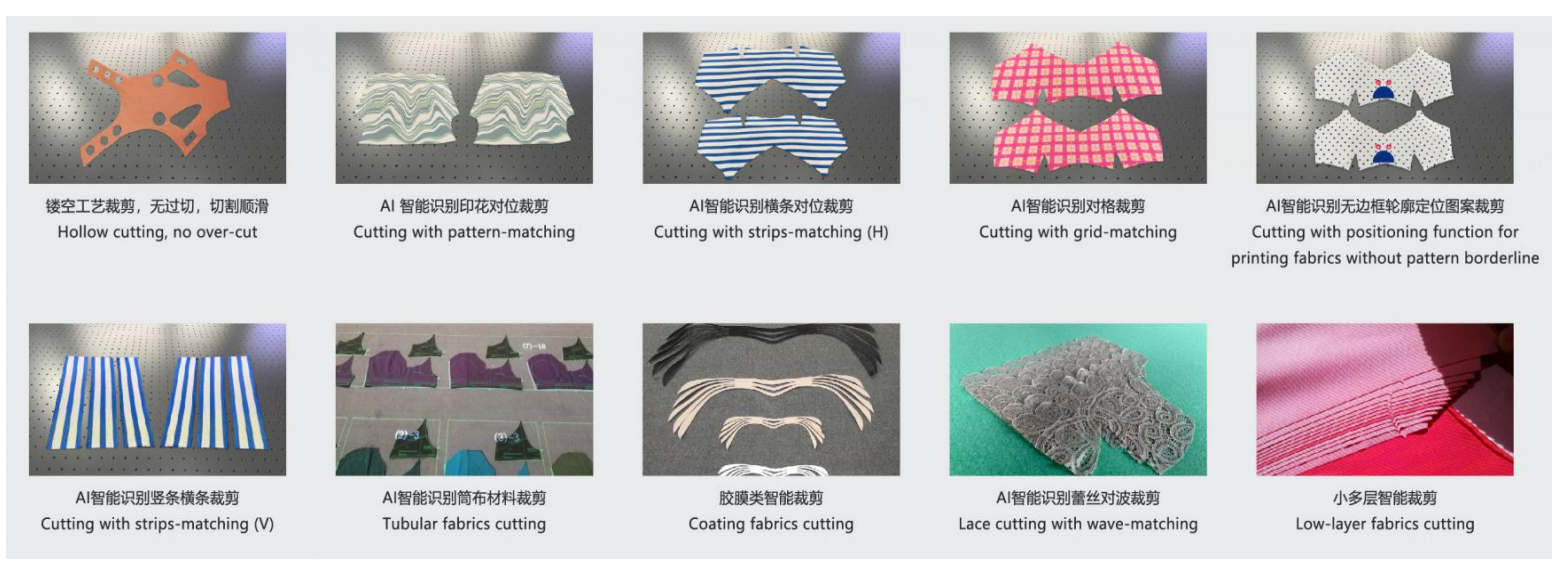
The garment cutting machine powered by AI also eliminates inconsistencies caused by human judgment. In manual systems, different workers may produce slightly different layouts or cutting results, leading to uneven product quality. AI ensures standardized production output, making every batch consistent regardless of order size or complexity.
CNC Precision, AR Visualization, and Industrial-Scale Production Efficiency
While AI provides intelligence, CNC technology provides precision. The textile cutting CNC machine ensures that every cutting movement is executed with extreme accuracy and repeatability. CNC-controlled cutting heads follow digitally defined patterns with minimal deviation, ensuring consistent quality across thousands of garments.
This level of precision is particularly important in suit manufacturing, where even small deviations can affect garment fit, symmetry, and overall appearance. CNC systems eliminate human error and ensure that every piece of fabric is cut exactly according to design specifications.
In addition to CNC precision, AR (Augmented Reality) projection technology plays a crucial role in modern fabric cutting systems. AR projection allows operators to visually see pattern outlines directly on the fabric surface before cutting begins. This visual guidance system improves operational accuracy, reduces mistakes, and significantly shortens training time for new operators.
Even workers without advanced technical skills can quickly adapt to the system, making production more flexible and scalable. This is a major advantage for factories facing labor shortages or high employee turnover.
The 12-meter ultra-wide working platform further enhances production capability. Unlike traditional cutting machines that require frequent repositioning of fabric rolls, the ultra-wide system allows continuous cutting of large fabric materials without interruption. This improves workflow efficiency and reduces downtime caused by material handling.The integration of AI, CNC, and AR technologies transforms the fabric cutting machine for apparel industry into a fully intelligent production system rather than a standalone mechanical device. It becomes the core of a digital manufacturing ecosystem that connects design, planning, and production into a unified workflow.
Real-World Implementation: Cambodia Suit Factory Case Study and Operational Results
A real-world installation in a Cambodian suit manufacturing factory provides strong evidence of the effectiveness of intelligent cutting systems. After implementing the 12-meter automated cutting solution, the factory experienced significant improvements across multiple operational dimensions.One of the most notable improvements was labor cost reduction. The factory achieved up to 60% reduction in manual labor requirements across cutting and layout processes. This reduction not only lowered operational expenses but also improved workforce efficiency by reallocating human resources to higher-value tasks such as quality control and production management.
Production speed also increased significantly. Orders that previously required multiple manual shifts could now be completed in a fraction of the time. This improvement allowed the factory to handle larger order volumes and meet tighter delivery schedules, which is critical in the competitive export garment market.Fabric utilization efficiency also improved dramatically. AI-based nesting optimization reduced material waste and ensured more efficient use of raw materials. Over time, this improvement translates into substantial cost savings, especially for high-volume production environments.The introduction of the automatic fabric cutting machine also improved production stability. Unlike manual systems, which are affected by fatigue, inconsistency, and human error, automated systems maintain consistent performance during continuous operation. This ensures stable output quality, which is essential for maintaining long-term relationships with international buyers.
It is not just a piece of equipment, but a complete production optimization system.Factories that adopt this technology will gain a significant competitive advantage in future market competition.🌐 For more information please contact our company website:www.ruizhoutech.com